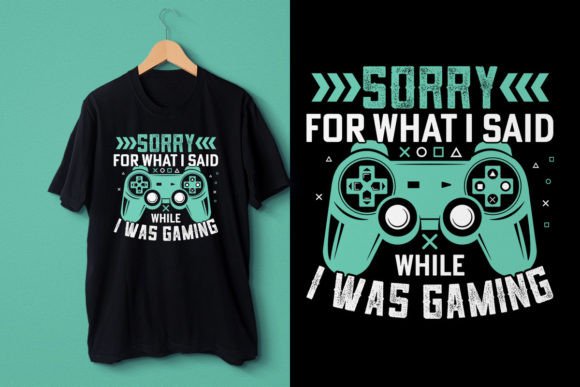
Sorry for What I Said While I Was Gaming: From Meme to Merchandise
The phrase "Sorry for What I Said While I Was Gaming" has transcended its origins as a casual apology between players. It has evolved into a cultural artifact, a concise encapsulation of the intense, immersive, and often hilariously regrettable moments that define modern gaming culture. This phrase is no longer just text in a chat window; it is a recognizable brand, a statement of identity, and a thriving product category in the world of custom merchandise.
The Cultural Resonance of Gaming Phrases
Online gaming is a uniquely social yet anonymous experience. It fosters communities, competition, and camaraderie, but the pressure of real-time strategy and the anonymity of a screen name can sometimes lead to outbursts of frustration—followed by genuine apologies. Sorry for What I Said While I Was Gaming perfectly captures this cycle. It’s self-aware, humorous, and relatable to millions. This relatability is its power. It moves beyond niche gaming forums into mainstream consciousness, appealing not only to hardcore gamers but to anyone who understands the passion of a hobby.
This phenomenon reflects a broader trend: the mainstreaming of digital subcultures. Gaming language, memes, and aesthetics are increasingly influencing fashion, design, and commerce. Phrases born online are now sought-after designs for physical products, representing a desire to wear one’s digital identity. This represents a shift in consumer preferences, where personalization and niche community affiliation drive purchasing decisions more than generic branding.
High-Quality Design for Everyday Expression
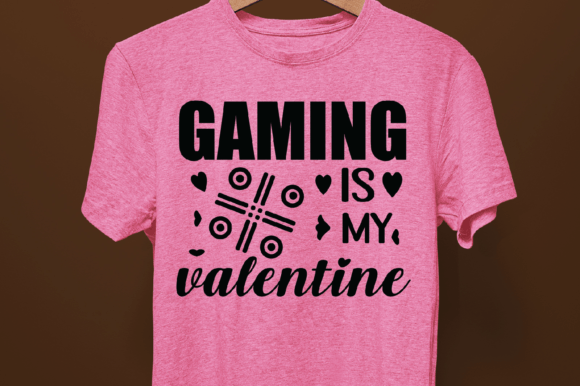
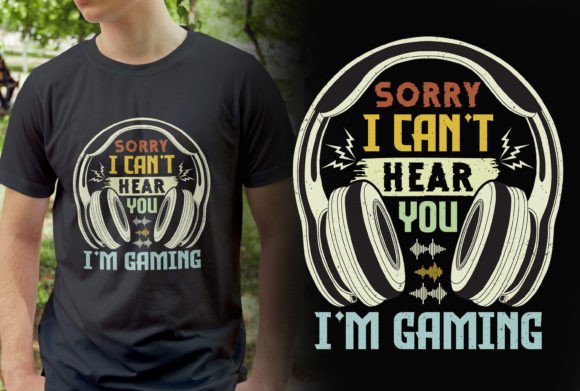
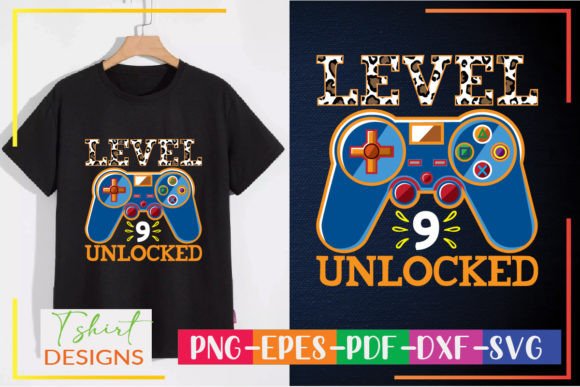
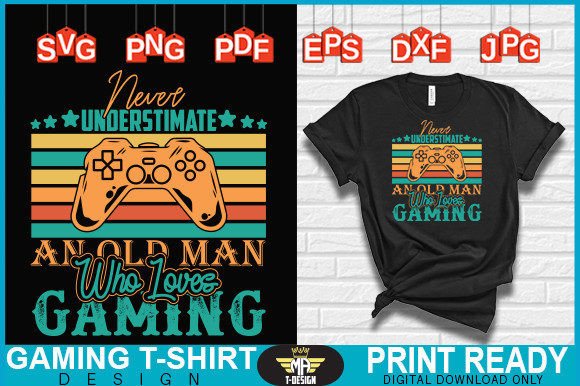
The transition from a popular phrase to a viable product hinges on execution. Here, the principle that the quality of our design is high enough for everyday use becomes critical. A meme on a screen is fleeting, but a design on a shirt, mug, or hoodie must endure physically and aesthetically. The artwork for Sorry for What I Said While I Was Gaming is not a simple text copy; it is crafted as a complete graphic, optimized for versatility and impact.
This commitment to quality addresses changing creator and consumer expectations. Today’s enthusiasts and entrepreneurs demand files that are not just usable, but professionally adaptable. They seek to integrate these designs into diverse workflows—from home crafting to small-scale ecommerce—without compromising on the final product's look and feel. The design must be robust enough to print clearly on all types of clothing, including detailed areas on t-shirts, the thick fabric of sweatshirts, and the curved surfaces of mugs and pillows.
The Technical Foundation: File Formats for Every Creator
Supporting this high-quality design requires a suite of professional digital files. Each format serves a distinct purpose in the modern creator’s toolkit, reflecting the multifaceted nature of today’s merchandise and print-on-demand landscape.
- SVG Files: These vector files are essential for cutting machines like Cricut and Silhouette. They allow creators to make shirts, decals, and mugs with precision. The scalable nature of SVG means colors and sizes can be modified within design software, offering immense flexibility. Some designs may require welding elements prior to cutting, a common step for complex graphics, which underscores the professional-grade preparation of the artwork.
- High-Resolution PNG Files: With a transparent background at 300 DPI and large dimensions (4500x5400), these files are ideal for digital and physical applications. They are perfect for creating framed prints, digital wall art, stationery, and are particularly crucial for techniques like sublimation and waterslide transfers, where clarity on products like coffee mugs and pillows is paramount.
- JPG Files: Provided at 300 DPI resolution, these are the standard for straightforward printables and many other uses, offering a reliable, high-quality raster image.
- EPS Files: Compatible with Adobe Illustrator and other professional vector editing software, these files cater to graphic designers and businesses that need to integrate the design into larger layouts or make specific, advanced edits.
All these files are logically compiled into one ZIP file for efficient distribution, requiring extraction with tools like WinZip or WinRAR. This organized delivery is a practical response to the workflow needs of professionals and freelancers who manage multiple projects and assets.
Why This Matters: The Convergence of Culture and Commerce
The attention paid to Sorry for What I Said While I Was Gaming as a product line is a signal of a larger development. It highlights how internet culture is now a direct driver of micro-economies. Entrepreneurs, marketers, and creative freelancers are leveraging these cultural touchpoints to build businesses. They are not just selling a t-shirt; they are selling a piece of shared experience, a badge of community membership.
This trend is underpinned by technology. Accessible design software, affordable cutting machines, and global print-on-demand platforms have democratized merchandise creation. What once required large manufacturing contracts can now be executed by an individual with a laptop, a Cricut, and a well-designed SVG file. The availability of versatile, high-resolution file formats like those provided for this design is the fuel for this ecosystem.
Practical Applications and Forward-Looking Insights
Consider a freelance graphic designer who runs a small online store. They can use the EPS files to customize the Sorry for What I Said While I Was Gaming design for a client’s specific event. A hobbyist can use the SVG with their Silhouette cutter to create unique gifts for their gaming group. A marketer for a gaming accessory brand might use the transparent PNG in a social media campaign. Each use case is practical and rooted in real-world creative and commercial activity.
This movement is forward-looking in a concrete sense. The expectation is for digital assets to be complete, adaptable, and production-ready. The demand is for designs that are born online but are built for the physical world, with quality that ensures they look professional in daily use. As digital and physical realms continue to merge, the value of culturally relevant, technically robust design files will only grow. They enable creators to respond agilely to trends, to personalize products at scale, and to meet the audience's desire for goods that resonate with their specific identities and passions.
In conclusion, Sorry for What I Said While I Was Gaming is more than a phrase. It is a case study in how contemporary culture materializes into commerce. Its success as a merchandise concept depends on the insightful understanding of its cultural relevance and the practical provision of high-quality, versatile design files. This approach meets the needs of today’s professionals, creators, and enthusiasts, who seek to bridge their digital engagements and physical expressions with products that are authentic, well-made, and perfectly suited for everyday life.