The Art of Nostalgia: How Retro Design Creates Unforgettable Connections
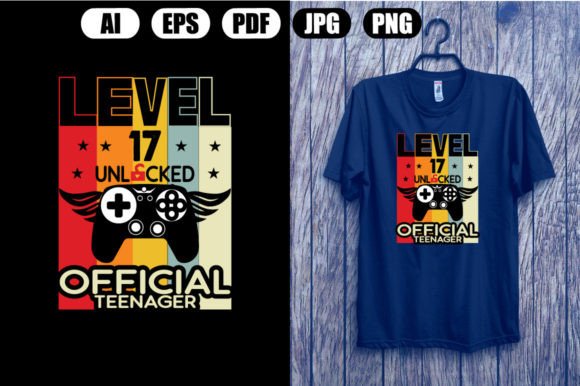
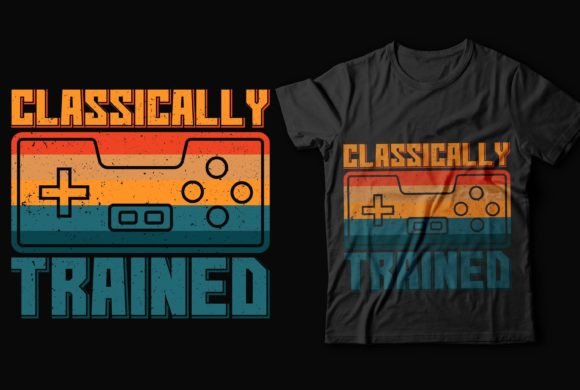
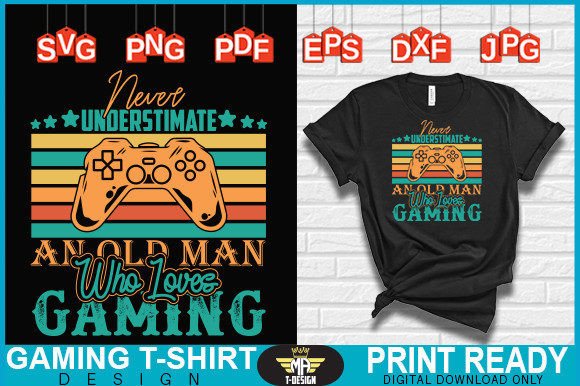
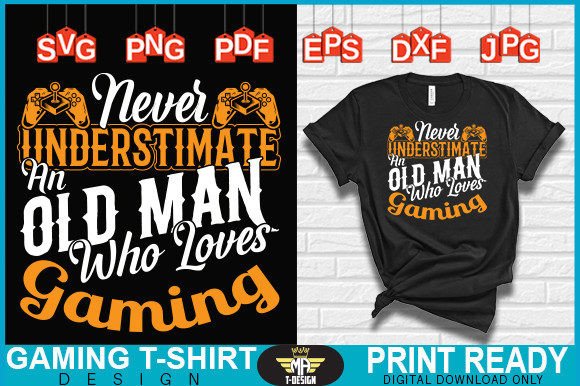
The world of fashion and design is constantly evolving, but one theme has demonstrated an enduring power to captivate: retro aesthetics. From the vibrant pixel art of early video games to the bold typography of vintage advertising, retro design evokes a powerful sense of nostalgia and belonging. This phenomenon isn't just about looking back; it's about creating meaningful connections in the present. A prime example of this is the modern trend of wearable retro art, such as t-shirt designs that celebrate classic gaming culture. These designs serve as more than just clothing; they are statements of identity, shared history, and creative expression.
The Psychology of Retro Vibes: Why We Love the Past
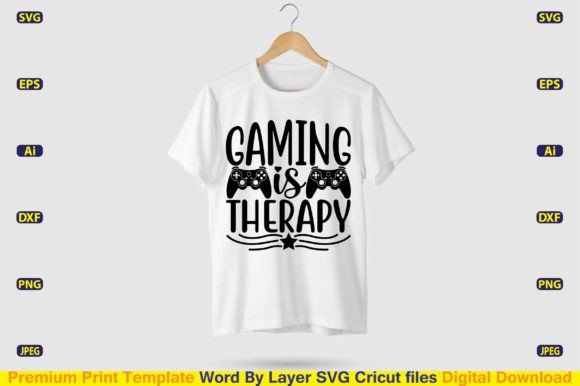
At its core, retro design taps into a deep psychological need for connection and comfort. The familiar visuals from our childhoods or from iconic eras trigger positive emotional responses. Seeing the distinct color palettes, geometric patterns, and character sprites from 80s and 90s video games, for instance, can instantly transport someone back to simpler times. This isn't merely individual; it's communal. These designs become a visual language that a generation, or a community of enthusiasts, can share. Wearing a t-shirt with a cleverly designed "Video Game Heartbeat" graphic isn't just about personal taste; it's a badge that signals to others, "I understand this. I share this memory."
This emotional resonance is the bedrock of its significance. In a fast-paced digital world, these anchors to the past provide a sense of stability and joy. They remind us of the pure fun and groundbreaking creativity of earlier technologies. For many, it connects to formative experiences—the first console they owned, the first game they mastered—making the design deeply personal. It transforms a simple garment into a keepsake.
From Pixel to Product: The Journey of a T-Shirt Design
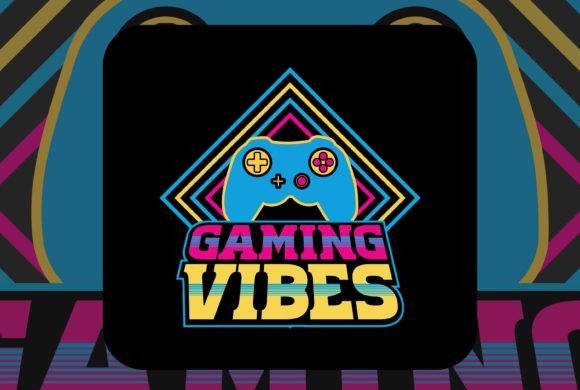
Bringing a retro concept like "Gaming Vibes Retro Fun" to life on a t-shirt involves a fascinating blend of artistry and practicality. The process begins with a digital design, often created in vector format like an EPS file. This file type is crucial because it allows the design to be scaled infinitely without losing quality, ensuring that the crisp lines of a retro pixel character or the smooth curves of vintage typography look perfect whether printed on a small child's shirt or a large adult's hoodie.
For printing, a high-resolution transparent PNG file, perhaps at 4500×5400 pixels, becomes the key asset. This transparency allows the design to be placed on any color garment seamlessly, and the high resolution guarantees detail is preserved, even for complex, eye-catching artwork. The final product offered to consumers, like a "best-selling t-shirt design," is the result of this careful technical preparation. Furthermore, the provision of these files to buyers opens doors for customization. When a store notes that "buyers can edit colour and size," it empowers personal creativity, allowing the retro vibe to be adapted for different projects or personal preferences.
More Than a T-Shirt: The Versatility of Digital Design Assets
The practical relevance of a well-crafted retro design extends far beyond the realm of apparel. The digital files associated with a design are versatile tools for creativity. When a design store provides a compressed ZIP file containing EPS, PNG, and JPEG formats, they are offering a toolkit for a multitude of applications.
- Personal Crafting: Individuals can use these files for scrapbooking, creating custom vinyl decals and stickers for laptops or walls, or designing unique greeting cards and invitation designs.
- Home Decor: The artwork can become a printable decoration, an iron-on transfer for a pillow, or even an engraving on a wooden plaque.
- Extended Fashion: The same "Retro Gamer" graphic could be applied to different clothing items beyond t-shirts, like hats, sweatshirts, or tote bags, creating a cohesive personal style.
This versatility highlights how a single design concept can fuel countless projects, blending nostalgia into daily activities, home decor, and personal gifts. It democratizes design, enabling anyone with access to these digital clip art files to participate in creative expression.
Common Misunderstandings About Digital Art Files
When navigating online stores for design assets, some common assumptions can lead to confusion. Firstly, "mock-ups are not included" means the purchased files are the raw design assets themselves, not pre-made images of the design on a model or t-shirt. This is actually beneficial, as it gives the user complete control over how the final presentation looks.
Secondly, the requirement to "extract the files" using tools like WinZIP or by double-clicking is a fundamental step. The files are compressed to make downloading faster and easier, but they must be extracted before use. The contained formats each serve distinct purposes: the EPS for professional editing and scaling, the PNG for high-quality printing with transparency, and the JPEG for simpler digital viewing or drafts. Understanding this helps buyers utilize their purchase effectively for their specific project, whether it's for a "Gift for him" shirt or a custom birthday card.
Retro Design in Modern Business and Culture
The integration of retro aesthetics into modern business, particularly in e-commerce and creative industries, is a strategic and cultural fit. Online stores specializing in niche designs thrive by curating themes that resonate with specific communities, like gamers. Offering a "Unisex vintage t-shirt design" acknowledges that this nostalgia is universal, crossing gender and age boundaries. It speaks to a shared cultural experience rather than a demographic segment.
From an SEO and content perspective, stores that educate their audience on the use and value of their products—explaining file types, applications, and the emotional draw of the design—build trust and authority. This follows E-E-A-T (Experience, Expertise, Authoritativeness, Trustworthiness) principles by providing helpful, transparent information. A natural keyword phrase like "best-selling t-shirt design" signals popularity and quality, while informative text about using files for "Cut machines" or "Clothes printing" answers practical user questions, optimizing for informational search intent.
Ultimately, a design labeled as "amazing and eye-catching" succeeds when it fulfills that promise by connecting visually and emotionally. It fits into modern life as a touchpoint for identity, a catalyst for creativity, and a bridge between the cherished past and the expressive present. Whether purchased "for yourself, friends and family, or anyone who supports your special day and occasion," it becomes a vehicle for storytelling and celebration.
Building a Broader Understanding: Design as Connection
Viewing a retro-themed t-shirt design not just as a product but as a cultural artifact allows for a richer appreciation. It represents the intersection of technology history, graphic art, fashion, and personal memory. The "Video Game Heartbeat" isn't just a cool graphic; it symbolizes the lifeblood of a hobby that defined decades of entertainment and innovation.
Exploring a store's collection for "More Trends Holidays Evergreens" designs encourages the understanding that this nostalgia is multifaceted, touching various aspects of life and celebration. Each design file offered is a key to unlocking personal or commercial creativity. By clarifying the purpose of each file type and the vast range of applications—from typography for men, women, and kids to uses in engraving or vinyl decals—these resources empower users to see the potential in a single digital asset.
In conclusion, the journey from a concept like "Gaming Vibes Retro Fun" to a physical, wearable piece of art underscores a powerful truth in modern creative commerce: design is about connection. It connects us to our past, connects creators to their audience through clear and helpful information, and connects digital assets to tangible, joyful outcomes in our daily lives, work, and celebrations. The final thanks from a store, "Thanks for visiting my T-Shirt Design Store, and I hope you enjoy browsing around," is an invitation to explore not just a catalog, but a world of meaningful aesthetics waiting to be brought to life.