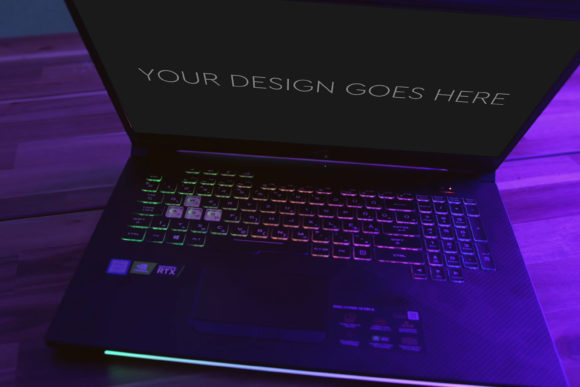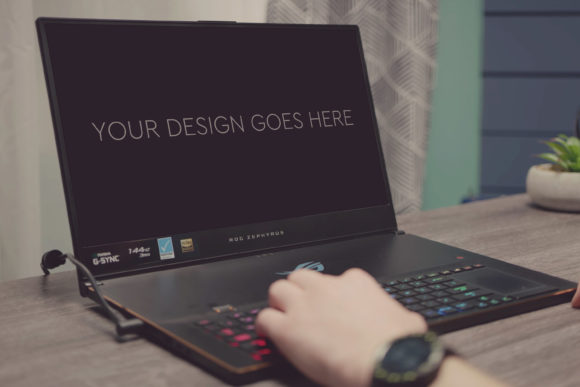
The Magic of Mockups: Bringing Your Gaming Laptop Designs to Life
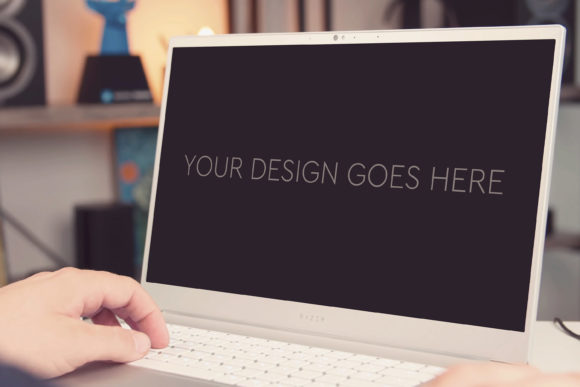
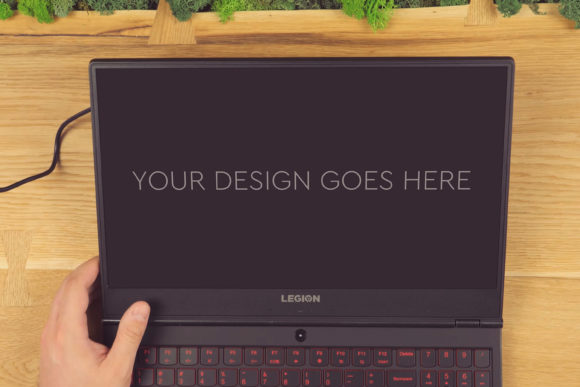
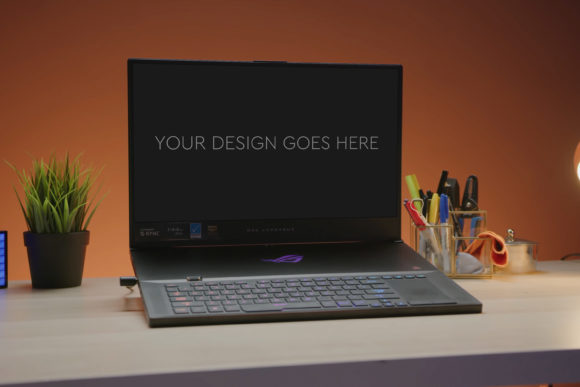
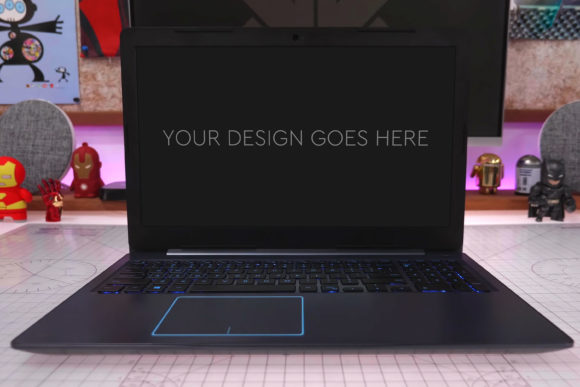
In the fast-paced worlds of graphic design, marketing, and product development, presenting your idea is often more critical than the idea itself. A brilliant concept can falter if it's shown as a flat, uncontextualized image on a blank canvas. This is where the power of mockups comes into play. Today, we’re diving deep into a specific and powerful tool: the Gaming Laptop Mockup 42, a high-quality M O C K - U P designed to transform your screen designs into stunning, realistic presentations automatically.
What Exactly is a Design Mockup?
Let's start with the basics. A mockup is a realistic, three-dimensional representation of a design applied to a physical object or environment. Think of it as a digital costume for your creation. Instead of showing a user interface as a simple screenshot, you place it on the screen of a laptop in a stylish setting. This process adds context, texture, lighting, and a sense of tangibility that a raw file simply cannot provide.
For a gaming laptop design, this is especially potent. Gaming laptops are not just tools; they are symbols of performance, style, and technological aspiration. A mockup allows your web design, software interface, or game HUD to be seen as it would exist in the real world—on the device of an enthusiastic user, perhaps in a dimly lit room glowing with RGB accents. It answers the viewer's subconscious question: "How will this actually look when it's used?"
The Purpose and Significance of a Quality Mockup
The primary purpose is communication. Whether you're presenting to a client, showcasing work on a portfolio, or marketing a new app, a mockup bridges the gap between your digital artwork and the client's imagination. It provides immediate, understandable context.
Its significance lies in several key areas:
- Professionalism: High-quality mockups instantly elevate the perceived quality of your work. They signal that you care about the final presentation and user experience.
- Credibility: They make conceptual designs feel finished and real, building trust with stakeholders who may not be visually literate.
- Marketing & Engagement: For websites and social media, a compelling mockup is far more engaging than a standard screenshot, increasing click-through rates and user interest.
- Feedback Quality: Clients and team members can give more accurate, contextual feedback when they see the design in a realistic scenario.
Exploring the Gaming Laptop Mockup 42
Now, let's focus on the specific tool mentioned: the Gaming Laptop Mockup 42. Its description promises a streamlined, high-quality solution: "Very easy to use, simply pop in your design or screenshot and everything is automatic." This speaks directly to a common pain point: complexity. Many designers avoid mockups because they fear a tedious, time-consuming process in Adobe Photoshop. This mockup addresses that by being built for efficiency.
Breaking Down the Key Features and Their Relevance
The included features are not just a checklist; each serves a specific purpose in making the mockup practical and powerful.
- C O N T A I N - 1 Photoshop PSD-file: The PSD (Photoshop Document) is the standard. It means the mockup is ready for the industry's most common image editing software, ensuring wide accessibility.
- Very Easy to edit by Smart Object: This is the heart of the "automatic" promise. A Smart Object in Photoshop is a layer that contains image data from another file. You simply double-click the laptop screen layer (the Smart Object), paste your design into that new window, save it, and voilà—your design is perfectly applied, warped, and shaded to fit the screen's perspective and lighting. No manual scaling, skewing, or shadow creation is needed.
- Layered and Grouped PSD: Organization is key for customization. Layers allow you to hide or adjust individual elements (like the keyboard glow or background shadows). Grouping keeps these elements manageable, so you can tweak the environment without affecting the laptop or screen.
- High quality mock-up - Size 3000x2000px at 300dpi: The high resolution (3000 by 2000 pixels at 300 dots per inch) ensures the final image is crisp enough for both web use and professional print materials like brochures or posters. You won't lose detail when the image is viewed large.
- Beautiful photo filters included: Pre-set filters or adjustment layers can instantly change the mood of the scene—making it cooler, warmer, darker, or more vibrant—to match the tone of your design project without requiring advanced photo-editing skills.
Together, these features transform a potentially technical task into a simple, almost magical, drag-and-drop experience. You focus on your design, and the mockup handles the realism.
The Practical Relevance in Modern Creative Work
How does this fit into the daily life of a designer, marketer, or entrepreneur? Its practicality is vast.
For Freelancers & Agency Designers, time is money. A mockup like this accelerates the presentation phase of a project. You can produce multiple compelling visuals for a client meeting in minutes, not hours. It directly impacts your workflow efficiency and profitability.
In Business & Marketing, visual content is king. A social media post announcing a new gaming website feature, using this laptop mockup, will garner more attention than a plain graphic. It helps sell the product's experience before the product is fully built.
For Education & Learning, students in design courses can use such mockups to learn professional presentation standards without first mastering complex Photoshop techniques. It allows them to concentrate on core design principles while still producing portfolio-ready work.
In the broader realm of Technology & Creativity, it democratizes high-end presentation. Even a startup founder with basic Photoshop knowledge can create investor-ready pitch deck images that look like they were produced by a top-tier design firm.
Clarifying Common Misunderstandings
There are a few assumptions worth addressing. First, some believe mockups are "cheating" or misrepresentative. On the contrary, they are a standard, ethical professional tool for visualization—similar to an architect using a 3D model of a building before it's constructed. They represent the intended final outcome.
Second, people often think creating mockups requires advanced 3D rendering skills. Tools like Gaming Laptop Mockup 42 show that, for many common scenarios, it's a simple 2D compositing process made intelligent by features like Smart Objects.
Finally, there's a notion that mockups are only for "final" designs. They are incredibly useful for mid-process concepts, helping teams visualize direction and make better decisions earlier in the design cycle.
Building a Broader Understanding: The Mockup Ecosystem
Understanding this specific mockup opens a window into a whole ecosystem of digital presentation tools. Mockups exist for everything: smartphones held in hands, business cards on desks, apparel on models, websites on browsers, and even complex environments like app interfaces on car dashboards. The principle is always the same: contextualize to communicate.
The choice of mockup—like a gaming laptop versus a minimalist office laptop—is itself a design decision. It sets a narrative. The gaming laptop mockup suggests power, entertainment, and a cutting-edge audience. Selecting the right mockup frame is as important as selecting the right font for your design.
As technology and design trends evolve, so do mockups. We now see mockups for virtual reality headsets, smart watches, and curved monitors. They follow the hardware that captures our cultural attention, providing designers with the tools to visualize for the next wave of user experiences.
Conclusion: More Than Just a Pretty Picture
The Gaming Laptop Mockup 42, and tools like it, are far more than just templates for making pretty pictures. They are essential bridges between the abstract digital workspace and the tangible world where ideas must ultimately survive and thrive. They enhance communication, build credibility, save time, and empower creators at all skill levels to present their work with the impact it deserves.
By simplifying the process—through automation, smart organization, and high-quality assets—they remove a technical barrier and let the focus remain on what matters most: the design itself and the story it needs to tell. So, the next time you have a screenshot that needs to shine, remember that popping it into a thoughtful mockup might be the simplest, most automatic step you can take toward making it truly resonate.